Suomalaiset muslimit
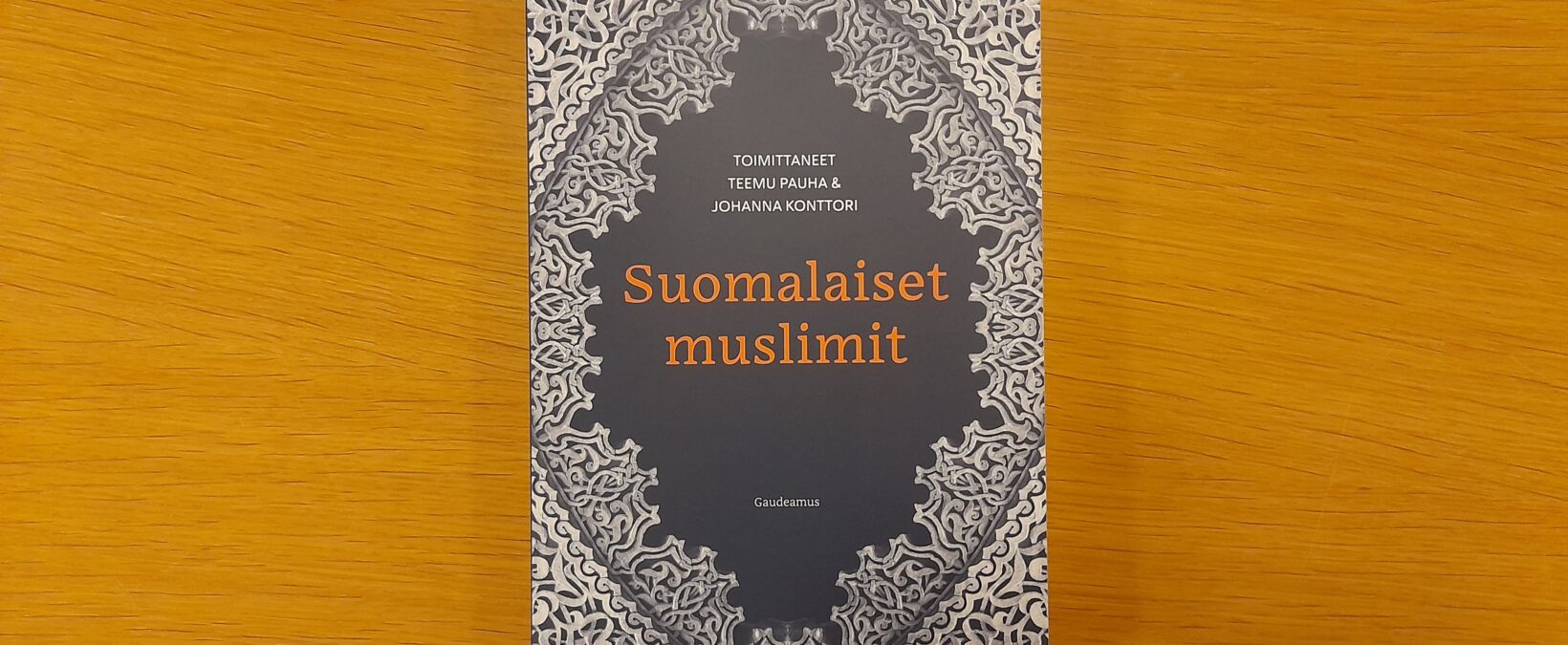
Suomalaiset muslimit edited by Teemu Pauha and Johanna Konttori. Gaudeamus, 2022
The book Suomalaiset muslimit (Finnish Muslims) is a long-awaited indirect continuation of the two previously published books Muslimit Suomessa (Muslims in Finland) (1999) and Islam Suomessa: muslimit arjessa, mediassa ja yhteiskunnassa (Islam in Finland: Muslims in everyday life, media and society) (2008), which describe the life and position of Finnish Muslims in Finland.
In several of the 13 chapters in the book, the 17 writers use empirical material in the form of interviews and surveys. The Muslims themselves are given a voice on what it is like to live as a religious minority in Finland. Questions that are highlighted in the book are, for example, what it is like to live between two cultures regarding family morals, companionship, genital mutilation, clothing and religious education and practice in schools and in mosques. Furthermore, Muslims as exercisers are described. The chapter on security issues also gratefully highlights the voices of Muslims on profiling and ethnic discrimination and experiences of the environment’s perception of radicalization in prisons. A chapter on the Tatars was omitted and is one of the few remarks the book receives.
The title of the book gives a hint of the change that has taken place in Finland among Muslims. In the past, Islam was seen as a religion for immigrants, hence the former titles Muslims and Islam in Finland. As more and more Muslims are born and grow up in Finland, Islam is also becoming more Finnish, hence the title Finnish Muslims. Remarkable for Finnish Islam is that immigration started relatively late in comparison to many other European countries and that immigration was not controlled. Although there are relatively few Muslims in Finland (about 2% of the population), the Muslim population is characterized by both ethnic and national diversity. Characteristic of Finnish Islam is that there have been Tatars for about 150 years. Although individual societal discussions have arisen emotions, the discussions regarding Muslims in Finland are described as significantly more moderate compared to other European countries.
Laura Wickström